The world needs more copper and recent issues at for instance First Quantum Minerals (FM.TO) in Panama and Ivanhoe Mines (IVN.TO) in the DRC have highlighted that the originally expected supply increases may not be as easy as anticipated. Throw in the difficulties Freeport McMoran (FCX) has at its Indonesian Grasberg mine and it becomes painfully clear that the supply side of the copper picture may have to be revised downward. Starting up new mines rarely goes better than expected, and usually goes worse than theorized.
Meanwhile, the demand side on the copper market looks stronger than ever before. We have seen outsized imports into the USA as the COMEX-LME spread has been all over the place this year, and the arbitrage plays an important role. Meanwhile the Chinese imports saw some temporary increases as well (before seeing a drop in July) in the first half of this year with for instance a 3.8% increase in Q2 2026, and all these elements are indicating a further tightening on the copper markets.
This means we are seeing strong demand for copper (both in concentrate as well as finished copper products) and the current high price has not yet been a deterrent to end users. In a recent update, Morgan Stanley mentioned the copper market remains tight and LME copper inventories are decreasing while the so-called ‘cash-3 month spread’ has increased to the highest level in five years.
Meanwhile, the supply side is looking a bit shaky, indicating a perfect storm could be brewing.
This puts the exploration stage junior mining companies even more in the spotlight. After all, they are working on projects that could supply and satisfy a portion of the copper demand in a decade from now.
Arras Minerals (ARK.V) Is aggressively advancing its main copper project in Kazakhstan. While the country may not be well known in North America for its natural resources, it definitely is an important supplier of copper already and could become even more important come through the ring it is strengthening its ties with the western world.
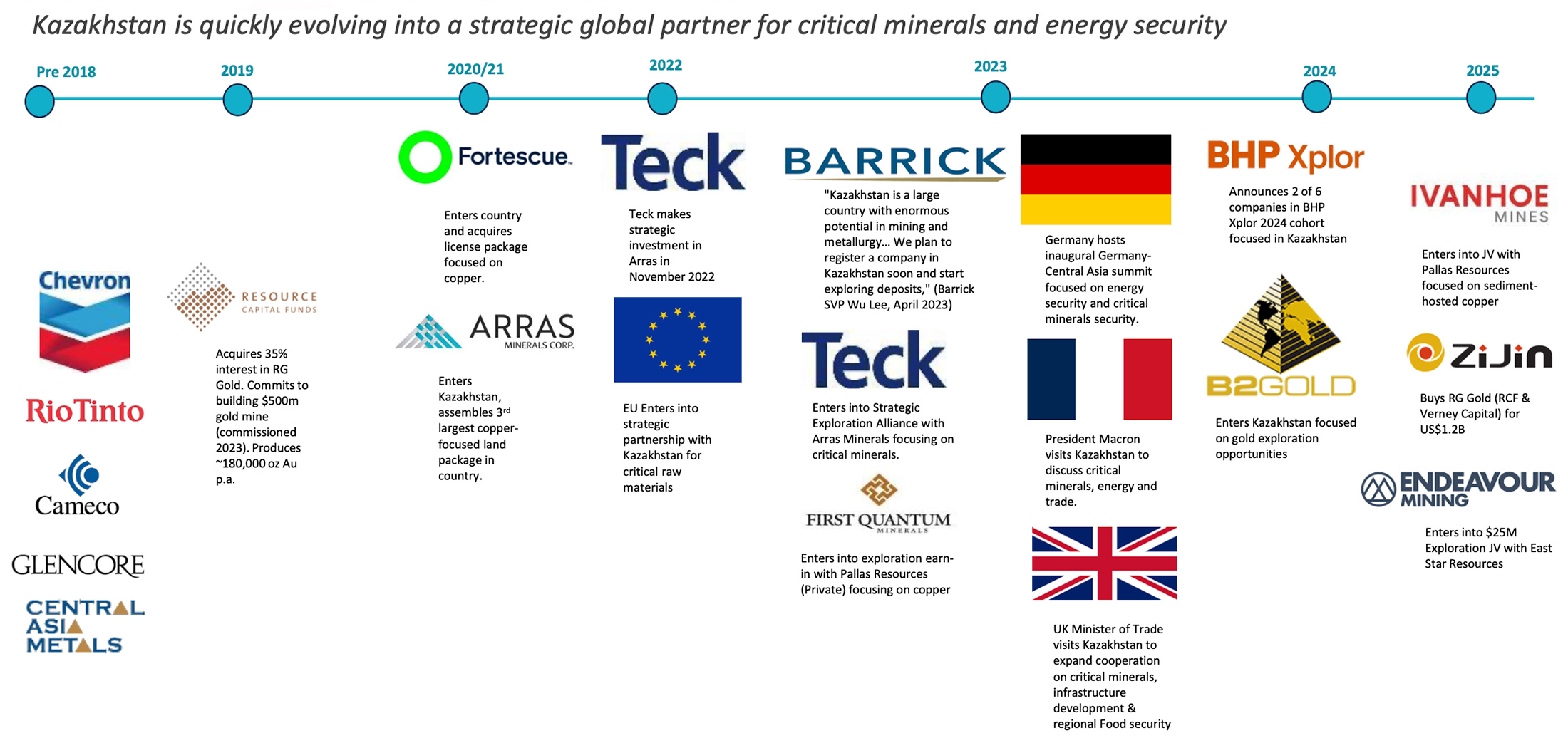
We will kick off this article with our view on why Kazakhstan currently is a more than okay place to do business in and how the well-endowed nation could help to solve the world’s copper problem. And although there are some pretty big copper mines in the country, Arras Minerals somewhat benefits from a ‘first movers advantage’ as it is one of the very first western companies completing a comprehensive exploration program in the country.
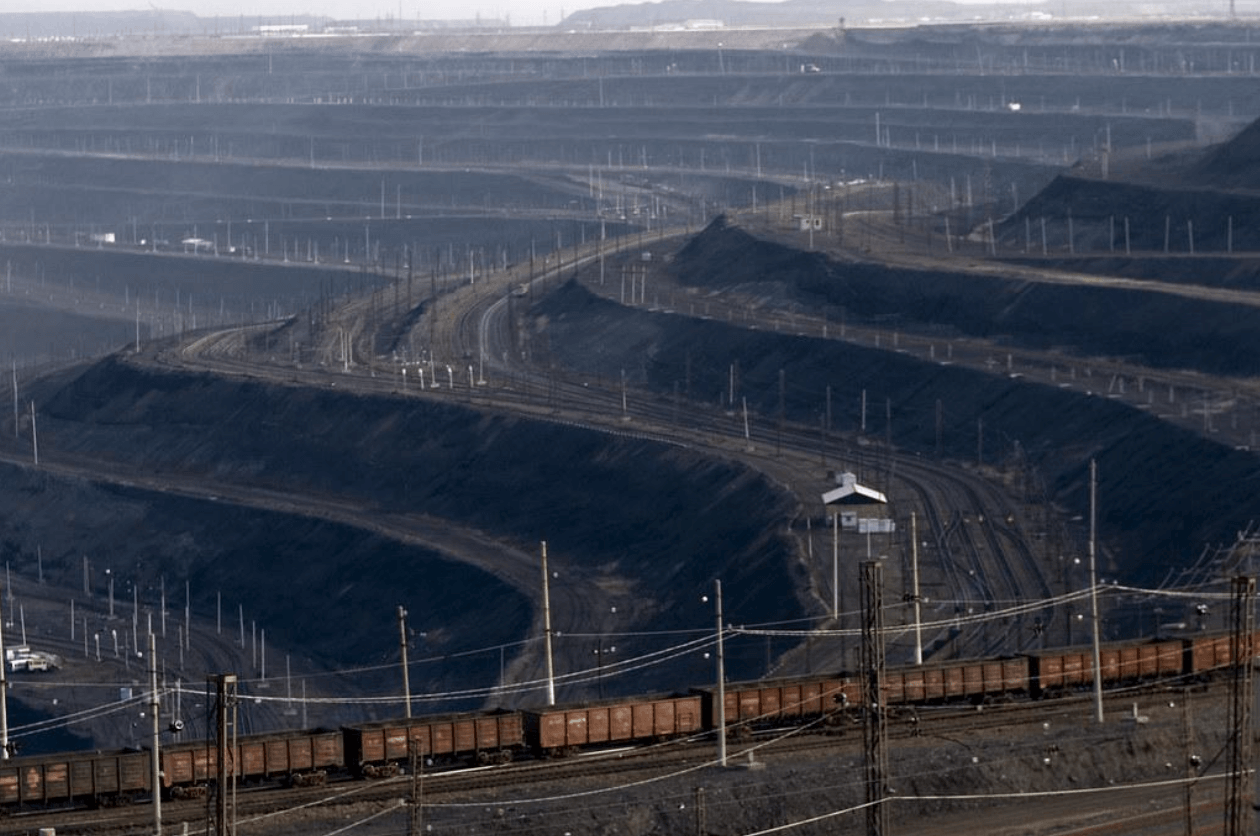
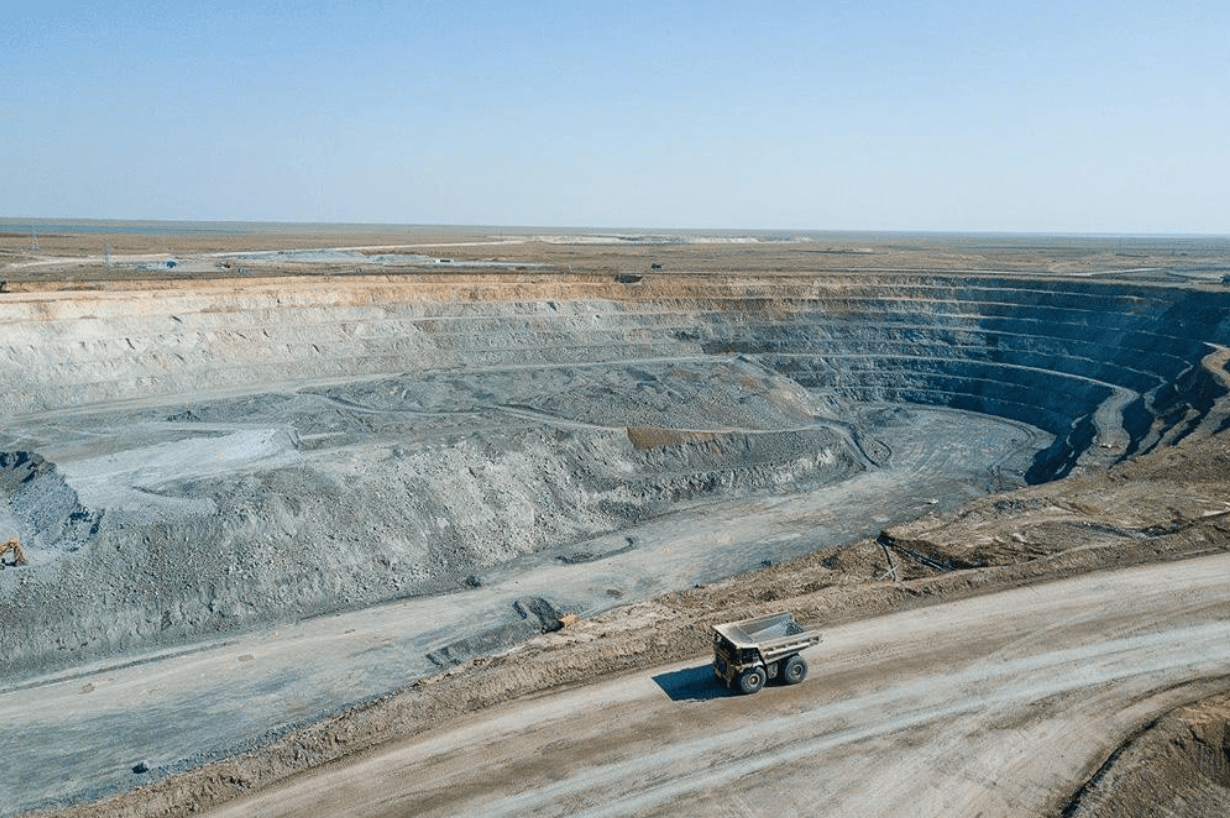
Left: Nearby Bozshakol Copper Mine (produces >100,000 tpa Cu) – Right: Nearby Bogatyr Coal Mine (5th Largest in the World)
Kazakhstan: From a Soviet Republic to a Western World focusing country
Very few investors will be familiar with Kazakhstan, as it’s a country we really only hear in the news about when there is a successful Baikonur space launch. Other than that, it’s a country that’s really easy to overlook. And that’s a shame.
We visited Kazakhstan in January of this year and got a better understanding of the country. And it appears that it is a country with two faces. On the one hand, it very clearly is dealing with the aftermath of a decades-long Soviet influence, but on the other hand, the country is decisively looking west rather than east. The Kazakh national soccer team is a member of the UEFA and plays its world cup qualifiers against European teams. On top of that, a Kazakh soccer team qualified for the Champions League group phase last year, and had to play against amongst others, Arsenal and Real Madrid.
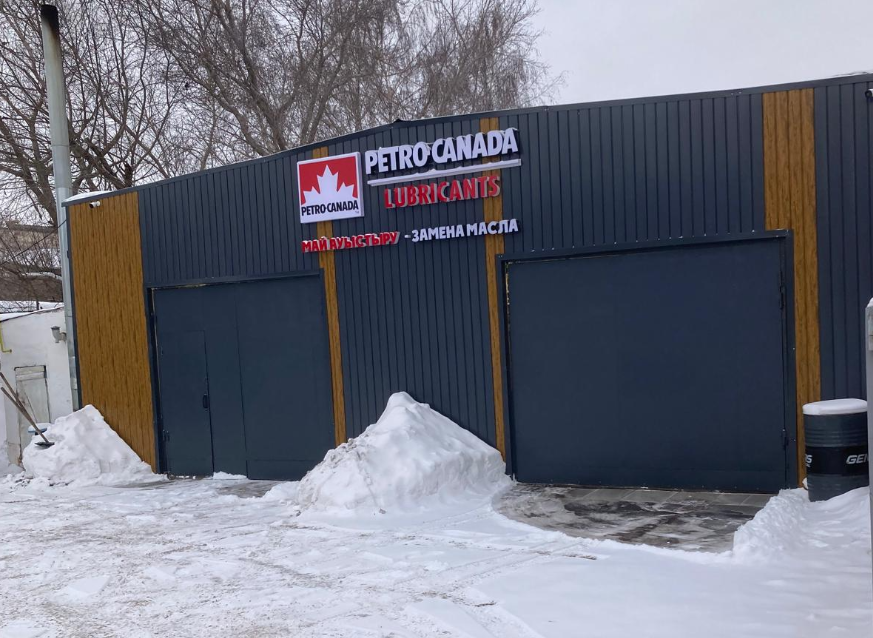
But it’s not just in sports that it’s quite clear the country is looking towards the west. On a recent trade mission to the European Union, President Tokayev signed a trade and investment agreement with the EU for a total value of about 12B EUR.
Kazakhstan is already an important supplier to the EU of oil and uranium, but both parties want to strengthen the ties and are focusing on critical raw materials. The European Bank for Reconstruction and Development (‘EBRD’) and the Kazakh government have signed a Memorandum of Understanding to investigate the construction of a chemical-analytical laboratory for critical raw materials. The same EBRD is also making 150M EUR available for improvements of the Trans-Caspian Transport Corridor, making East-West trade routes easier to access.
And less political but nonetheless important: the Europe-funded Horizon TiBeRIUM project (a consortium of companies and universities) focuses on sourcing Titanium and Beryllium for European end-users, and has a specific focus on Kazakhstan and Uzbekistan.
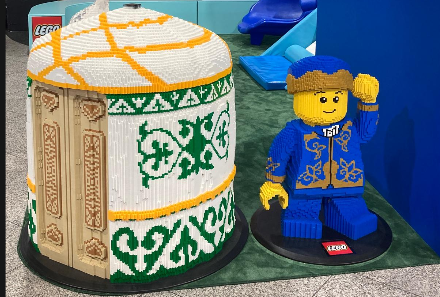
The renewed interest from Europe in doing business with Kazakhstan follows the strong improvement of the country on the Corruption Perceptions Index, where Kazakhstan is now ranked ahead of for instance Colombia, Argentina and Peru. The latter three countries are jurisdictions mining investors generally don’t mind investing in. And while the Corruption Perceptions Index is not necessarily the holy grail, it’s encouraging to see the country is making progress.
Additionally, as per the most recent OECD data, Kazakhstan is a better destination when it comes to barriers to Foreign Direct Investment than some of the jurisdictions we would consider Tier-1.
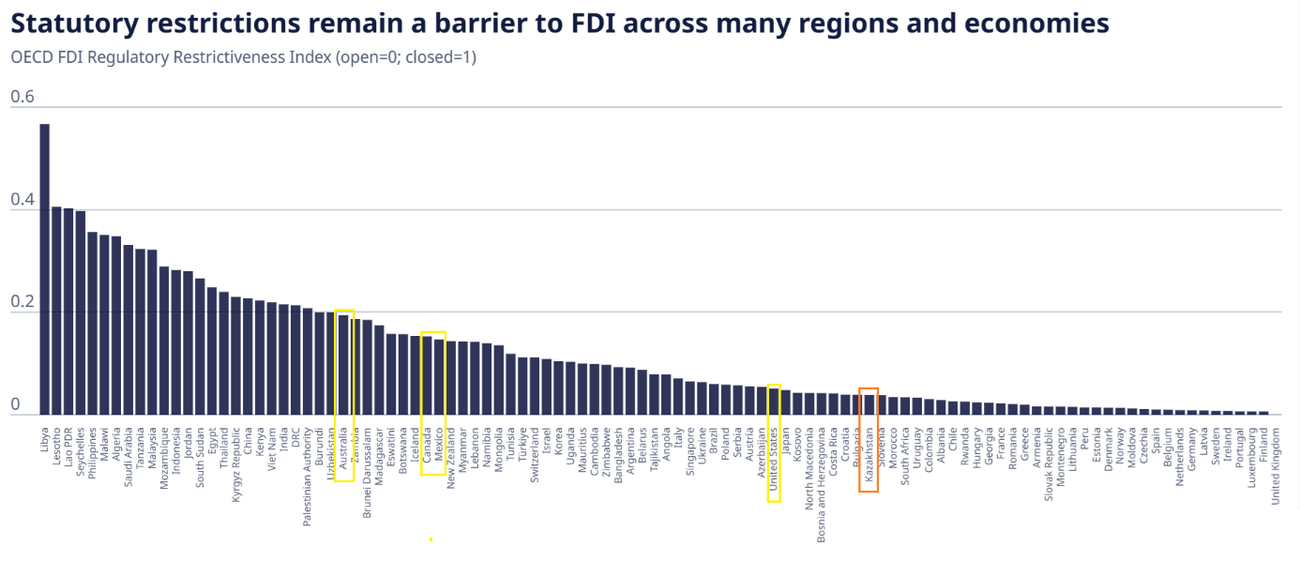
As the image above shows, Kazakhstan (highlighted in orange) is scoring better (the further to the right and the lower the bar, the better) than for instance the United States (although we acknowledge there can be a substantial difference between the States), Canada, Mexico and even Australia (all highlighted in yellow). While this not necessarily is a surprise as emerging markets like to attract foreign direct investment and hard dollars, these official OECD data points are a testament to Kazakhstan’s efforts.
A country well-endowed with natural resources
When you think about Kazakhstan and natural resources, your first thought is likely ‘uranium’. Indeed, London-listed Kazatomprom is one of the largest uranium producers in the world, but Kazakhstan is so much more than that.
With an average daily oil production of approximately 2 million barrels per day, the country is a top 15 producer in the world. Kazakhstan also has a top ten position when it comes to the production of coal with in excess of 100 million tonnes per year with what is a mixture of thermal and metallurgical coal.
But what most western investors failed to understand or to notice is that the country also is a major producer of gold and copper. It’s easily a top 20 producer for gold, producing several million ounces of the yellow metal per year. And when it comes to copper, all mines (that provide official statistics) combined produce a total of 1.5 billion pounds of copper per year, of which approximately half is produced by Kaz Minerals. This output is expected to increase, while the amount of refined copper as a percentage of total copper output is set to increase as well, as a new smelter should be operational by 2030.
Often overlooked and ignored, Kazakhstan is a true commodities powerhouse. Not only because the commodities are there, readily available in the ground, but also because the access to skilled labor and the very low cost of power combined with continuously improving logistics with access to Chinese and Western markets are making the Kazakh mining sector very competitive.
Throw in a predictable legal framework with fixed royalties and corporate tax rates, and it almost isn’t a surprise Kazakhstan beats the Yukon Territory in the Fraser Institute’s 2025 annual ranking of mining jurisdictions based on the policy perception index.
Arras Minerals: one of the first movers in Kazakhstan
Admittedly, this was a long-winded introduction to explain why Kazakhstan is a very interesting destination for mineral exploration. But it helps to explain why Arras is specifically focusing on this country, and only this country, to explore for copper.
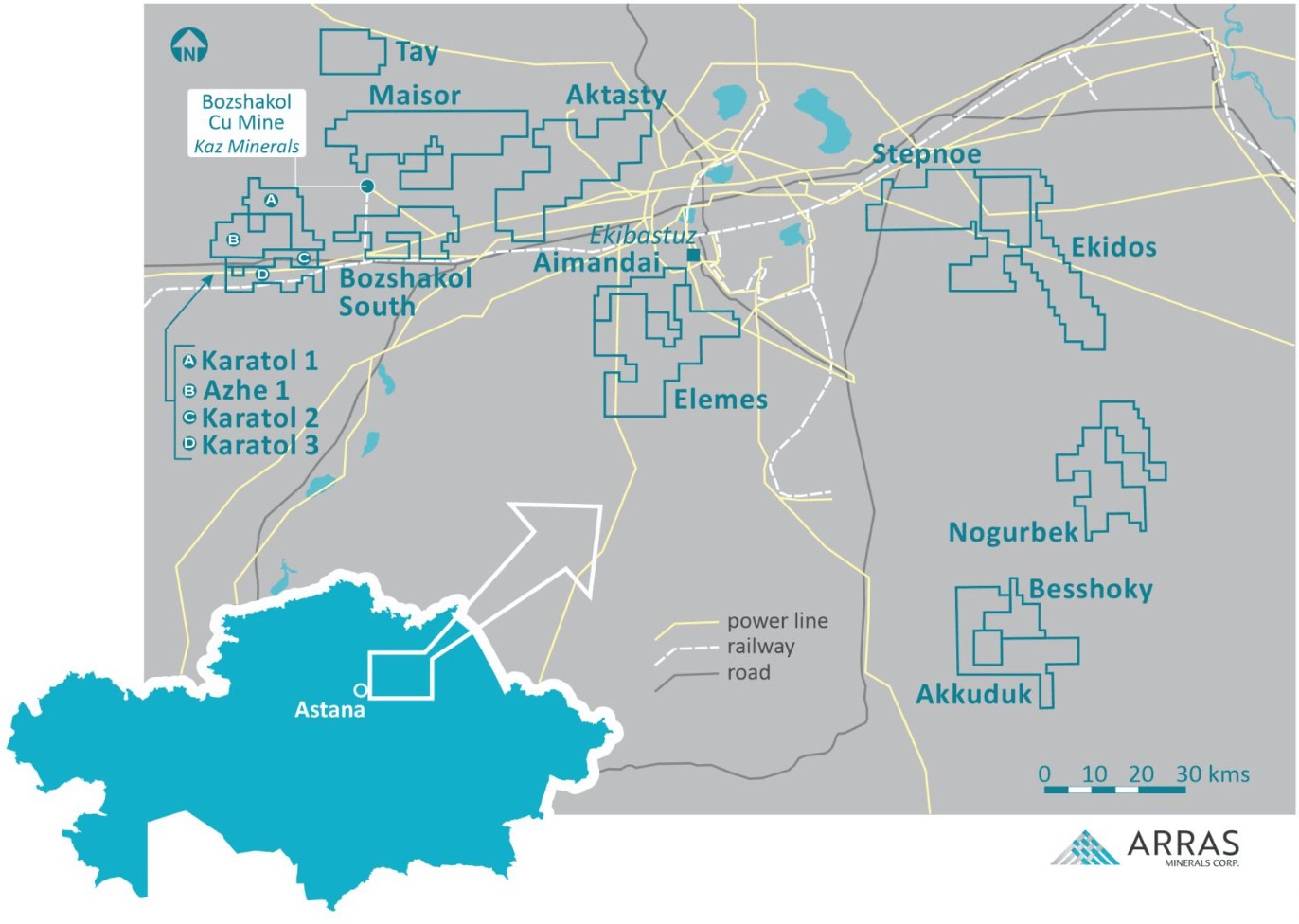
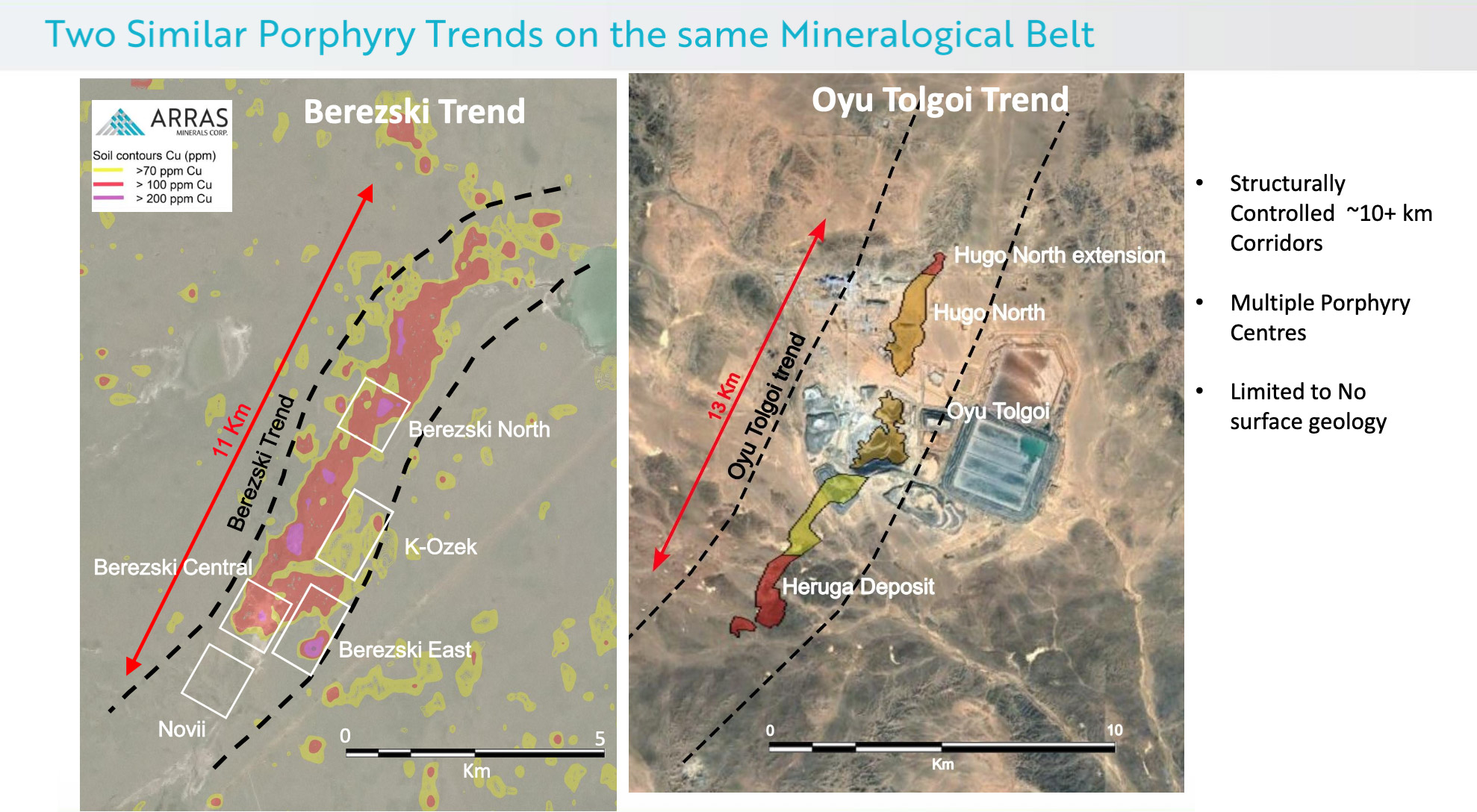
Arras Minerals has always had its focus on Kazakhstan, where it initially explored the Beskauga copper project while assembling the third largest copper-focused land package in the country by the end of 2021. And it of course wasn’t the cheap cost of labour and cost of power that attracted the company to the area, but as the image below shows, certain portions of the steppe country are part of some very well mineralized but underexplored mining belts.
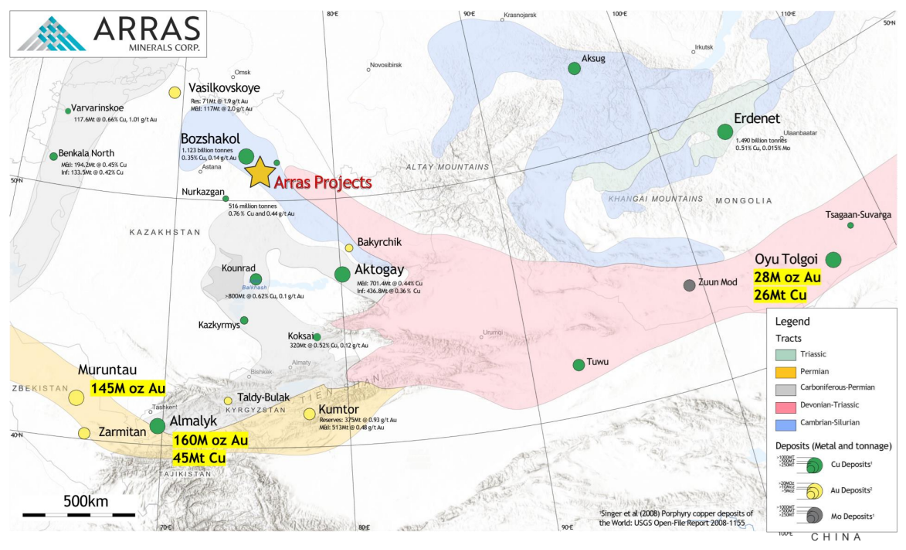
The company shifted gears in 2025 when the exploration efforts at its 100% owned Elemes land package really started to bear fruit. That’s when the company decided to no longer pursue the option agreement on the Beskauga project, and fully focus on its own tenements, applying the in-country knowhow it had assembled in the previous years.
To understand the rationale of this, it is worth highlighting that the company entered into an agreement with Teck Resources (TECK) in December 2023 to form a strategic exploration alliance on two licenses in Kazakhstan with a total size of in excess of 1,700 square kilometers. After spending almost US$5M on exploration on the land package that was part of the strategic alliance, Teck decided to not move forward to the next phase as this would require substantial capital commitments. As the company is working towards completing a merger with Anglo American, its focus shifted to larger, established projects rather than earlier stage exploration efforts. This allowed Arras to retain full ownership of the alliance land package and the company can continue to advance its copper-gold district at its own pace.
Interestingly, the Elemes project, which currently is the company’s flagship project, was not part of the Teck exploration agreement. So when Teck decided to not move ahead with the alliance, it wasn’t really that big of a deal as Arras was already focusing on the 100% owned Elemes project.
Teck also acquired an equity position in the company which it recently disposed of. While the market may not be too happy about this, we are more interested in figuring out who the buyer of the high single digit percentage block of stock is, but other than disclosing it is a ‘western’ mining company, Arras Minerals is keeping the identity of the buyer close to its chest.
This also makes the story more clear and it removes the uncertainty about what Teck is planning to do with its stake. The buyer remains anonymous and doesn’t have to file its position as long as it stays below a 9.9% threshold in the company.
The Elemes Project: the flagship asset, and rightly so
It is also clear that the current valuation of the company is driven by the recent drill holes that were completed on the Elemes Project. And just to help you orientate, there are three distinct porphyry copper centers identified at Elemes so far, called Berezski North, Berezski Central and Berezski East (Arras didn’t make it too complicated). The Novii prospect you see on the image below is ranked a bit lower on the priority list as it is a buried porphyry system, while the K-Ozek target is a gold-rich vein system. Both of these are only recently areas of focus with the drill program over the past few months. So when we talk about copper-gold exploration it is the three Berezski zones that are of interest.
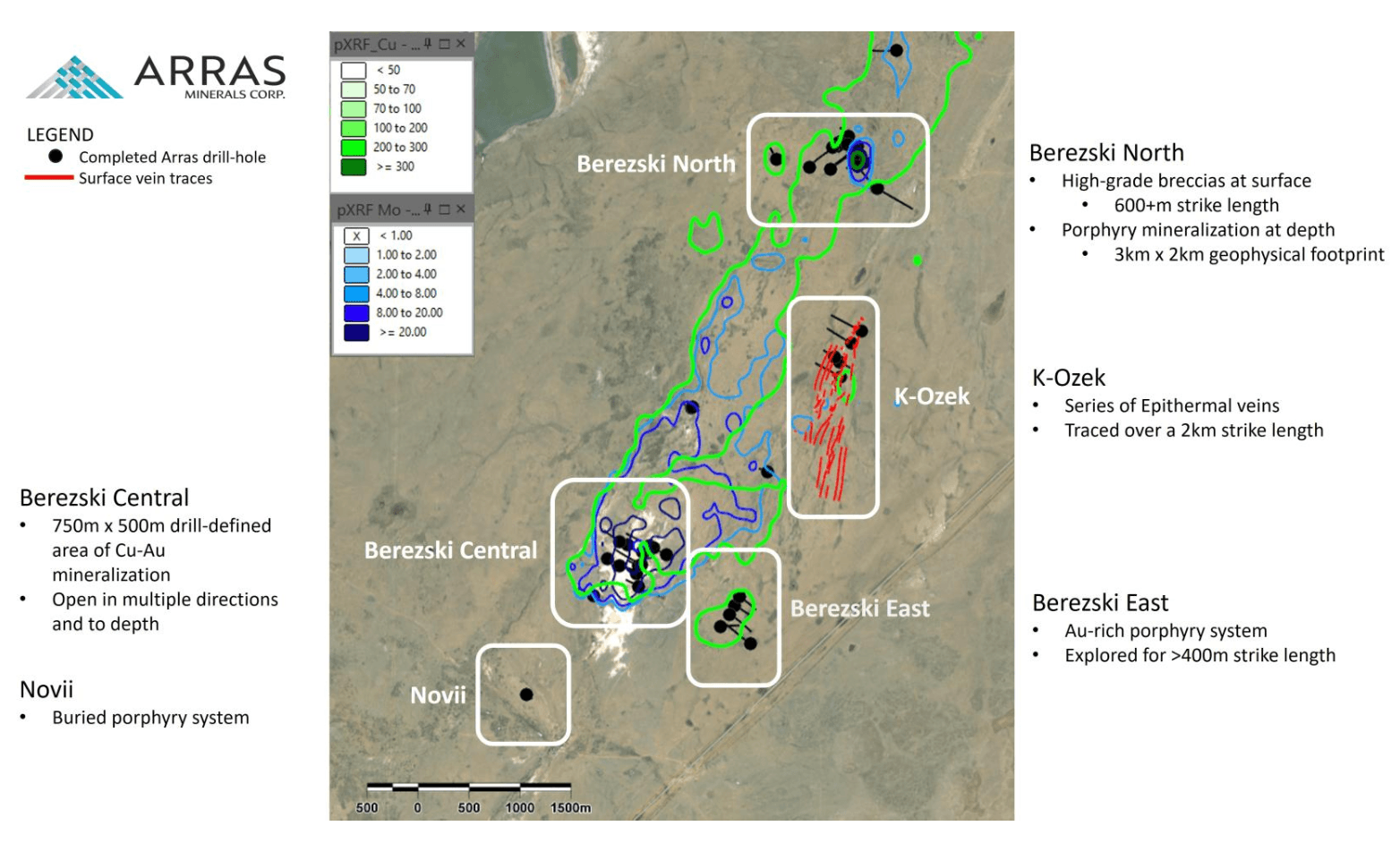
And it is the Berezski North target where the company has been very successful in the past few months.
The level of interest in the company and its flagship projects increased drastically after releasing the assay results of what still is the best hole it has ever drilled on the property. Back in June, the company disclosed it drilled almost 936 meters at an average grade of 0.71% copper equivalent. While the interval was quite gold dominant (the equivalent grade consisted of 0.51g per tonne gold and 0.19% copper), any interval that’s almost a kilometer long will make heads turn.
The 936 meter interval included a higher grade zone of just under 215 meters containing 1.42% copper-equivalent (consisting of 0.41% copper and 1.01 g/t gold) with a high-grade breccia zone of 55 meters containing 4.41% copper-equivalent (1.22% copper, 3.27 g/t gold) included in that interval.
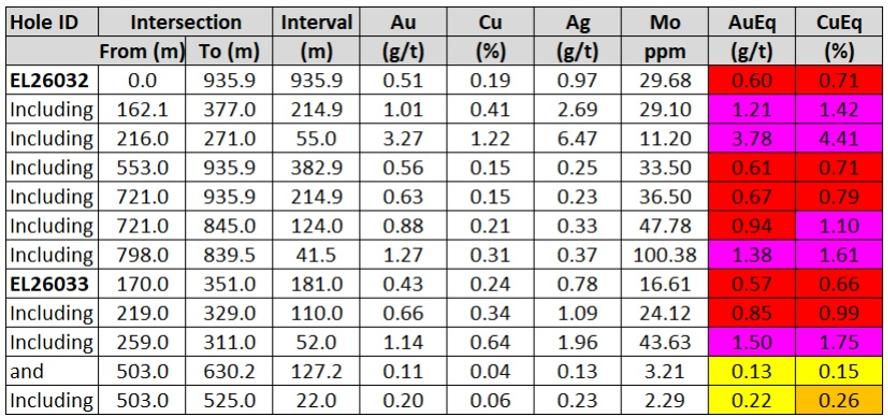
The two holes were designed to drill-test the shallow breccias and to determine the extents of the underlying porphyry mineralization that was discovered in the 2024 and 2025 drill program. Not only were these holes quite good with hole 32 being an absolute barn burner, it also allowed the company to raise money on the back of the high grade gold and copper mineralization (see later). A previous hole in the vicinity had already encountered 246 meters containing 1.02% copper equivalent while a previously drilled hole in 2024 intersected 547 meters of in excess of 0.7% copper-equivalent, so Arras wasn’t just drilling ‘blind’.
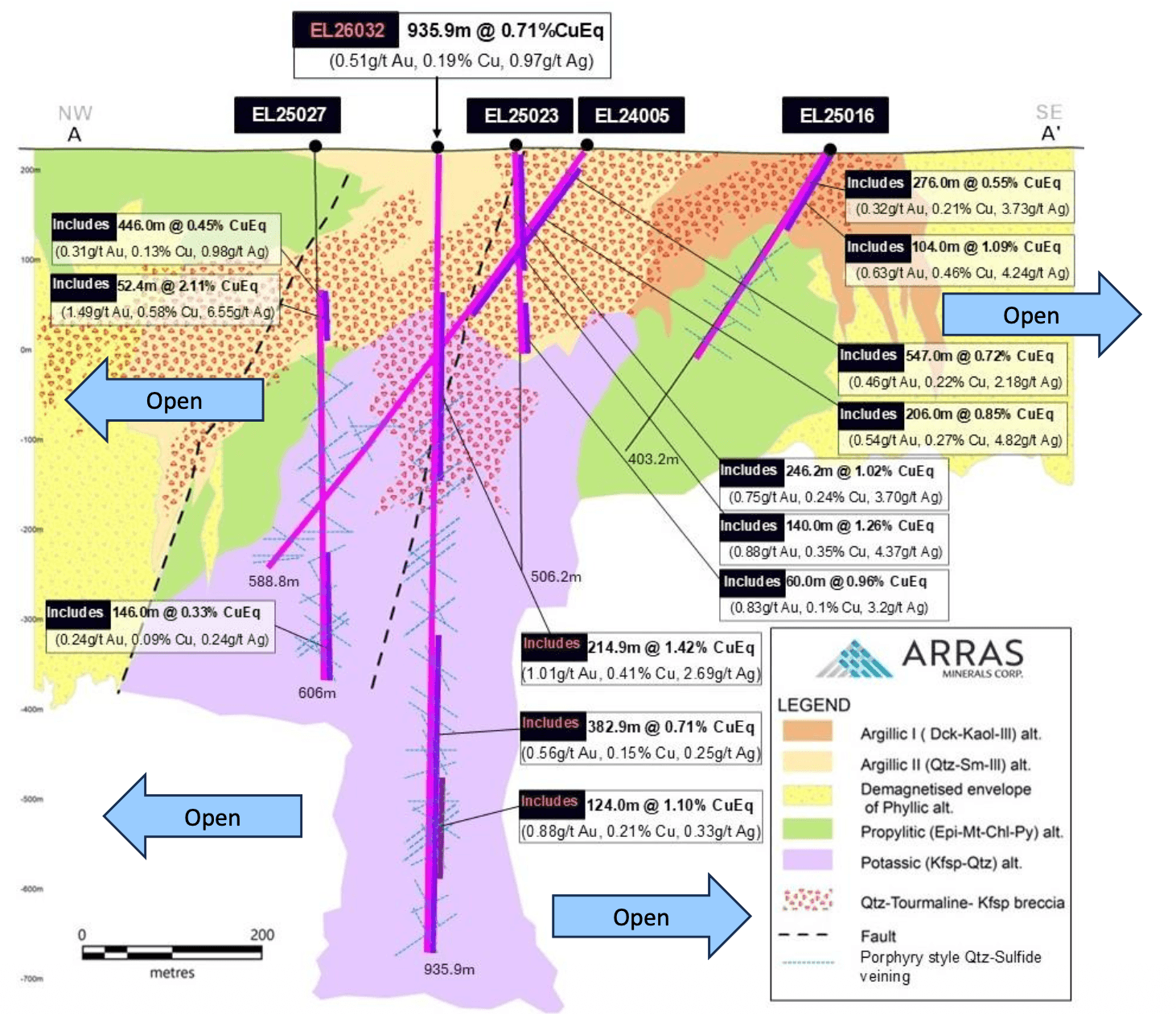
A combination of all these holes has definitely validated the prospectivity of the Berezski North target on the Elemes project more generally.
The flip side is of course that once you hit a mineralized interval of almost one kilometer, certain expectations start to build. But as most junior exploration investors/speculators know, Mother Nature is sometimes unpredictable.
The assay results of the subsequent four holes that were released by Arras Minerals were definitely not as good as the 936 meters at 0.71% copper-equivalent. And that’s normal, as it still is early days at Elemes and Berezski North. The table below shows the assay results from the four holes that were released last week.
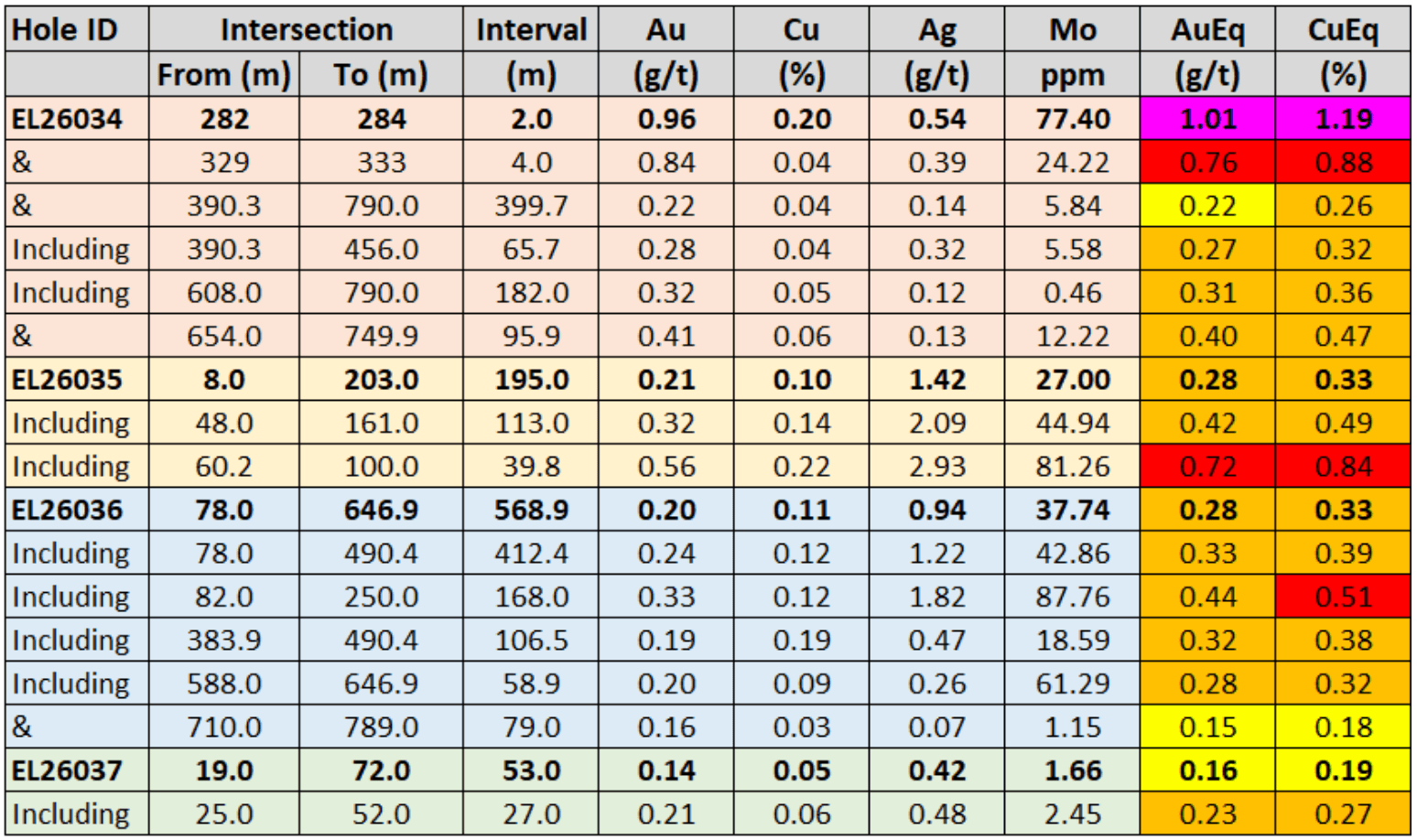
Hole EL26034 did encounter mineralization that we would reasonably expect to exceed traditional cutoff grades for a copper porphyry deposit, encountering 400 meters at 0.26% copper-equivalent (although the vast majority here is tied to the gold grade, which came in at 0.22 g/t). The 195 meters at 0.33% copper-equivalent in hole 035 and 569 meters at 0.33% copper-equivalent in hole 036 would certainly meet traditional cutoff grades as well. But throughout the table shown above, there is one common denominator: the majority of the copper-equivalent grade came from the gold.
Interestingly, this exploration update created a sell-off, and Arras’ share price lost 20% of its value overnight. That appears to be a rather severe overreaction. We think it is plausible the excellent hole of 936 meters at 0.71% CuEq attracted speculators that perhaps abandoned ship when the subsequent holes did not come up as good. But fortunately the share price bounced back pretty fast and is now trading at approximately the level it was at before the share price drop.
But it is too early to draw conclusions, and one should not lose sight of the bigger picture. In the end, it’s all about (recoverable and payable) metal value. Even if gold would be the dominant metal in the mineralized mix, what’s the issue? In the end, the future of a mining project is determined based on the rock value per tonne. And whether copper or gold is the dominant metal, there currently is plenty of appetite for both.
The neighborhing Bozshakol mine (owned and operated by KAZ Minerals, which was listed on the London Stock Exchange before it was taken private in 2020 at a $6B valuation) runs at a processing capacity of in excess of 35 million tonnes per year. This results in a total copper production of 215 million pounds in 2025 at a sub-$1.00 cash cost per pound. Keep in mind the recovery rates at Bozshakol (mid-70% range for copper and mid-40% range for gold) are below average for copper porphyry deposits given the specific nature of the deposit which contains some clay-hosted mineralization. We can reasonably expect normalized recovery rates to be in the mid 80% to 90% range for copper (KAZ Minerals disclosed a 87% recovery rate for copper at its large Aktogay mine which produced just shy of 500 million pounds (!) of copper in 2025) with 60-80% for gold (to be confirmed by the results of metallurgical test work that remains to be done). Applying a 65% recovery rate for gold at the KAZ mine site would have further reduced the cash cost per pound of copper by approximately $0.50 per pound.


And this leads us to an element we have already highlighted earlier in this report but is worth emphasizing again. The cost of power in Kazakhstan is very low and in the end, a copper gold porphyry system like Berezski (and Elemes in general) would always be dealt with as a massive earth moving operation. While grade will always remain king, running an efficient operation with excellent grade control measures in place can go a long way, even at a 0.35-0.4% copper-equivalent grade. We are not saying grade is not important, but it also certainly isn’t the only element that matters.
But we also don’t want to jump the gun here. There’s plenty more work to be done before even getting to a maiden resource calculation so we shouldn’t even be talking about potential economics yet. But given the access to available infrastructure and cheap power we dare to say the hurdle to reach critical mass could be lower in Kazakhstan than elsewhere in the world.
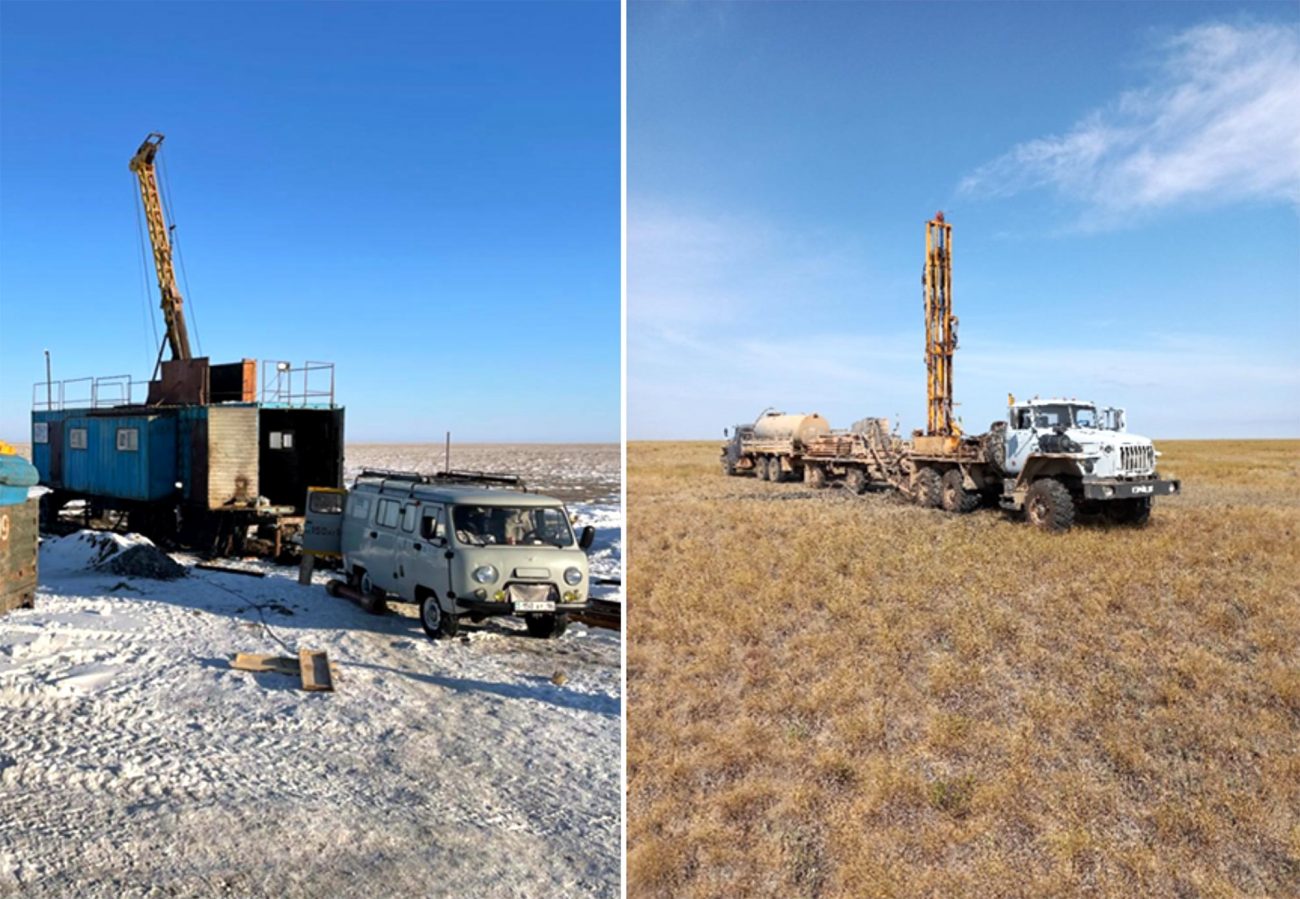
Arras Minerals is currently in the middle of a 40,000 meter drill program, with plenty of assay results that still have to be released. And just to give you a rough idea if you’re worried about grade, finding 500 million tonnes at 0.2% copper and 0.2 g/t gold would host 2.2 billion pounds of copper and in excess of 3 million ounces of gold (meanwhile still ignoring the silver and molybdenum). We would like to emphasize that this is *not* an official exploration target put forward by Arras Minerals but merely a theoretical discussion and arbitrary example of how size and grade can go hand in hand.
It is now up to the company and its technical team to complete the 40,000 meter drill program to the best of their ability, and more importantly, to connect the dots afterwards.
Striking the iron while it’s hot: raising C$25M on the back of good drill results
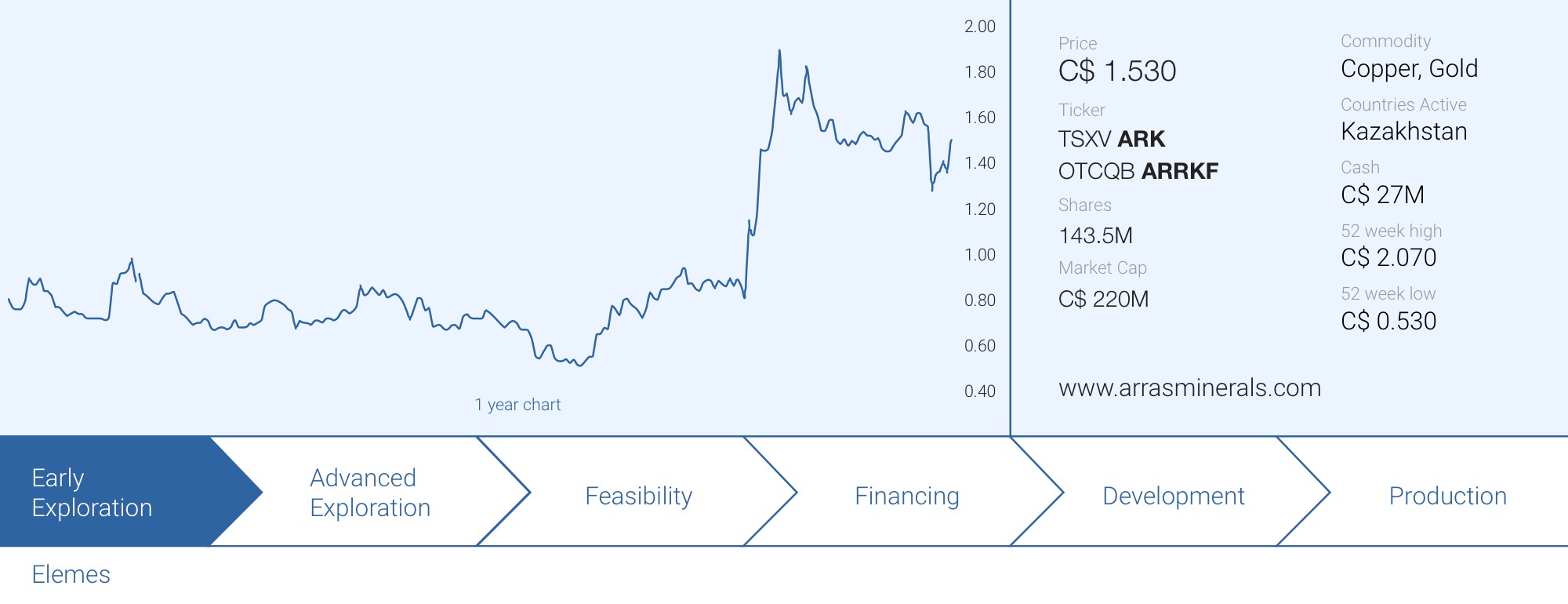
Earlier this summer, the company took advantage of its strong share price subsequent to releasing the best hole it had ever drilled at Elemes. It closed a C$25M financing priced at C$1.36 per share, resulting in 18.4M new shares being issued. It is a positive signal to see an exploration company being able to complete a warrant-free financing.
Arras Currently has approximately C$27M in cash, and remains fully funded for its ongoing 40,000 meter drill program at Elemes and is adequately funded to cover its expected program for all of 2027 as well.
The Arras management
Tim Barry, CEO & Director
Based in Kazakhstan. Professional Geologist with 20+ years experience throughout Mongolia, West/Central Africa, Australia, New Zealand, Canada & Mexico.
Darren Klinck, President & Director
Based in Vancouver. 20+ years experience throughout North/Central America and Australasia. Former Pres & CEO of Bluestone Resources. Former EVP & Head of Business Development of OceanaGold. Honorary Consul for Republic of Kazakhstan in British Columbia.
Matthew Booth, VP Exploration
Geologist with 20 years experience focused on greenfields, brownfields and production settings in Latin America and Australia. Formerly with Golden Minerals, First Quantum Minerals, Consolidated Minerals Ltd and Arian Silver. MSc (University of Leicester, BSc (University of Edinburgh).
Vladimir Suluburic
Geologist with over 15 years of experience focused on copper-gold porphyry systems and base metal exploration across Eastern Europe and Central Asia. Currently Chief Geologist at Arras Minerals Corp., with previous exploration expertise in the Timok metallogenic province and international project settings. BSc / MSc (University of Belgrade).
Chris Richards, CFO
~20 years experience. Great Panther Mining Ltd; Kazakhstan based Kyzyl Gold (Ivanhoe Group); NovaGold, KPMG.
Conclusion
The company did the absolute right thing by raising money when it was available, and completing a C$25M capital raise without having to attach a warrant is a strong performance. This will allow the company to complete its ongoing drill program before having to go back to the market.
Keep in mind this still is an exploration stage company and its main mandate is to figure out what Mother Nature has in store for it at Elemes. Some holes will be good, some holes will be excellent, other holes will be weak. That’s the name of the game. Subsequent to the current drill program we expect the company’s technical team to try to connect the dots and to see if it is able to link everything together.
And while the market may have reacted somewhat disappointed after pulling the recent hole out of the ground where the best hole had an average grade of ‘just’ 0.33% copper-equivalent, keep in mind Kazakhstan is a very low-cost country to operate in. And it’s not just labor that is attractively priced, but more importantly, the cost of power is very advantageous as well. This reduces the hurdle a company has to clear in order to find something that could potentially economically viable.
Arras Minerals still has to report on more than half of the results of its four drill rig program, and it is still way too early to draw any conclusions. But what we do know, is that most holes indeed contain copper mineralization at a that should meet the traditional cutoff grades for open pit copper porphyry deposits. The market’s focus should remain on building critical mass without judging the company on a hole-by-hole basis. It’s only when all the assay results from the ongoing 40,000 meter drill program will have been received that initial conclusions could potentially be drawn.
We are looking forward to seeing the next batch of drill results and we expect essay results to continue to come out until the end of the year.
Disclosure: The author has a small long position in Arras Minerals. Arras Minerals will become a sponsor of the website. This post is for educational purposes only; be mindful investing in junior mining stocks is risky and you may lose your entire investment if things go wrong. Please read our full disclosure.