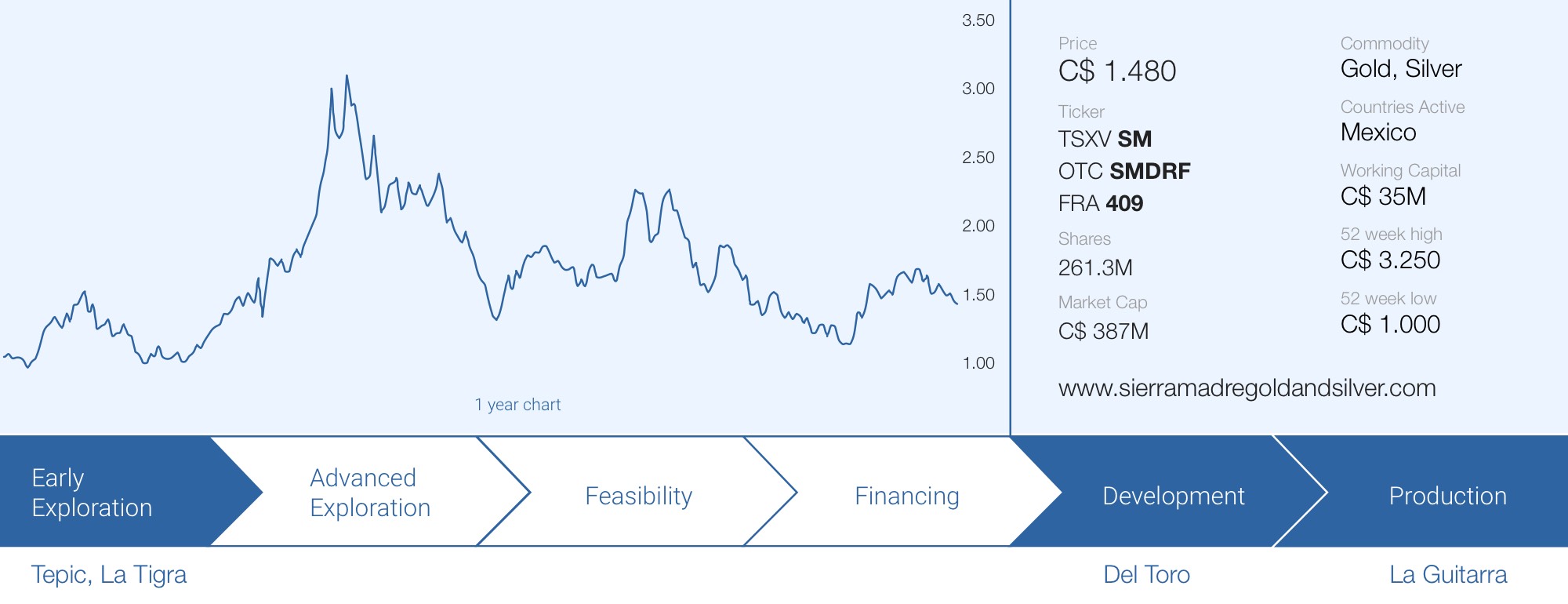
Sierra Madre Gold and Silver (SM.V) is currently finishing up its Phase I production increase program. Within the next few weeks, we should see an official announcement confirming the completion of the capacity expansion towards 750-800 tonnes per day. Not only will this boost the silver and gold production at its fully owned La Guitarra mine in Mexico, it is also the first stepping stone to execute on its Phase II expansion program. The additional expansion (which should be completed in the second half of next year) will further boost the capacity towards 1,200-1,500 tonnes per day.
Using the silver and gold grades from Q2 (those grades should increase but we prefer to be conservative) and applying slightly higher recovery rates, this would result in a production of approximately 800,000 ounces silver and 12,000 ounces of gold for a silver-equivalent output of approximately 1.5 million ounces (using a 60:1 silver:gold ratio). Again, as grades are expected to increase, this would be the lower end of our expectations for 2028 and beyond.
While spending money on the La Guitarra expansion and the Del Toro exploration plans, the balance sheet remains strong with a positive net working capital position of approximately US$25M (Sierra Madre reports on its financial results in USD), with $22.2M in cash. It’s also worth highlighting that subsequent to the end of Q2, Sierra Madre received $5.3M in warrant proceeds (8.86M with a C$0.85 strike price were exercised). More importantly, this also removes any warrant overhang, and the only remaining warrants are the 1.91M broker warrants with an exercise price of C$1.30 expiring in June 2028. These would bring in an additional US$1.8M in cash.
Reviewing the Q2 production and cash flow numbers
In the second quarter of this year, Sierra Madre Gold & Silver processed just over 41,500 tonnes of mineralized material (indicating an average throughput of approximately 450 tonnes per calendar day) at an average grade of 65.3 g/t silver and 1.05 g/t gold. Recovery rates were somewhat disappointing (due to the processing of development rock) with just under 74% for the silver and just under 68% for the gold, which is lower compared to the second quarter of last year.
This resulted in a production of 64,300 ounces of silver and 945 ounces of gold, for a total silver-equivalent production of 137,300 ounces, of which 123,483 silver-equivalent ounces were sold at an average realized price of $75.45.
This resulted in a total revenue of $8.2M, on which a gross profit of just under $1.6M was generated. As the income statement below shows, the total amount of operating expenses was less than a million. While that is a substantial cost saving compared to the $1.25M recorded in Q2 2025, there are some easy explanations for that. First of all, the US$67,000 in finance costs and FX losses was converted into a $505,000 gain. Additionally, the share based compensation expenses decreased.
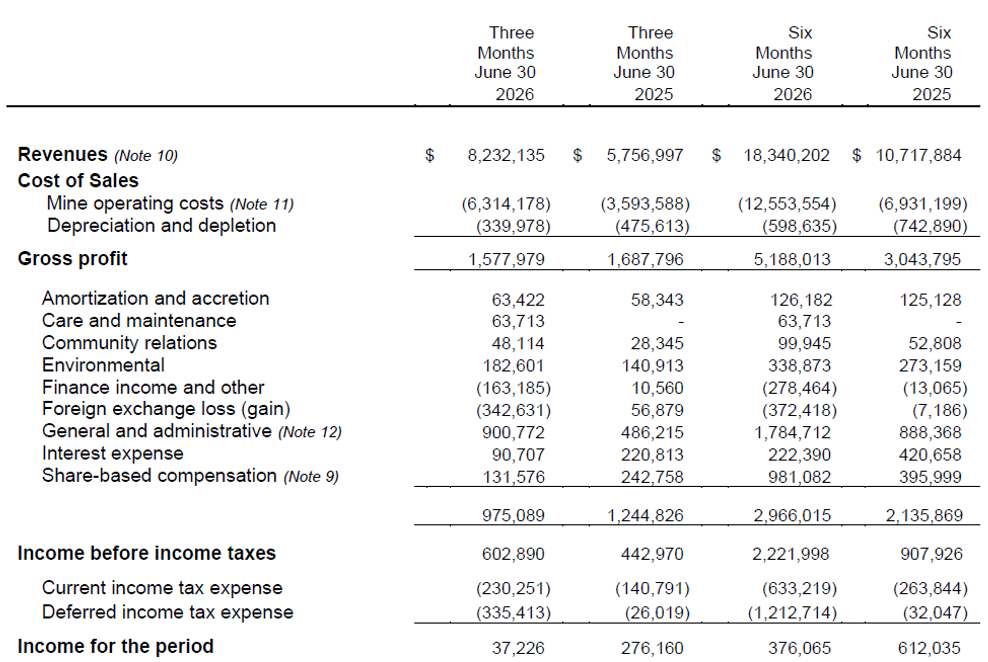
On the other hand, the Q2 income statement clearly includes the care & maintenance expenses related to Del Toro (the ownership of that mine only changed hands in the second half of June, so we should reasonably expect the care & maintenance expenses to increase going forward, and a normalized cost of about US$1.5M per year seems realistic.
Additionally, the net interest expenses continued to decrease as Sierra has been cleaning up its balance sheet. The only financial debt (excluding leases) on the balance sheet was repaid on June 29th, so we expect the interest expenses to be converted into an interest income in the current semester, as the $20M+ cash pile and warrant exercise proceeds should allow Sierra Madre to generate a small interest income, going forward.
Adjusted for changes in the working capital elements, Sierra Madre generated an operating cash flow of approximately $3M.
Going forward, the operating costs should continue to come down as the company continues to switch from a leased fleet to an owner-operator mining fleet. During the quarter, four new haul trucks were purchased with an aim to replace the leased vehicles. Meanwhile, the three diesel generators have been installed and will be up and running this month, providing backup power. This should reduce the impact of power outages (mainly during the rainy season) and result in fewer interruptions at the processing plant.
Additionally, recovery rates should trend up again. Applying a 5% higher recovery rate for silver and a 10% higher recovery rate for gold would result in an additional quarterly cash flow of $0.8M on a pre-tax basis. Reaching a higher recovery rate is quite realistic as the Q2 and H1 2026 recoveries were impacted by the presence of development mineralization, which also weighed on the average grade. So we would expect improved recovery rates and grades, going forward.
And perhaps worth highlighting; as part of its employee profit-sharing plans, Sierra Madre recorded a total profit sharing related expense of in excess of US$425,000 during the first semester (note, this is a Q2 expense only as it is related to the 2025 results), This confirms the company is taking its CSR commitments serious and employees are properly incentivized to keep the mine and mill operating as efficient as possible.
What’s happening at La Guitarra
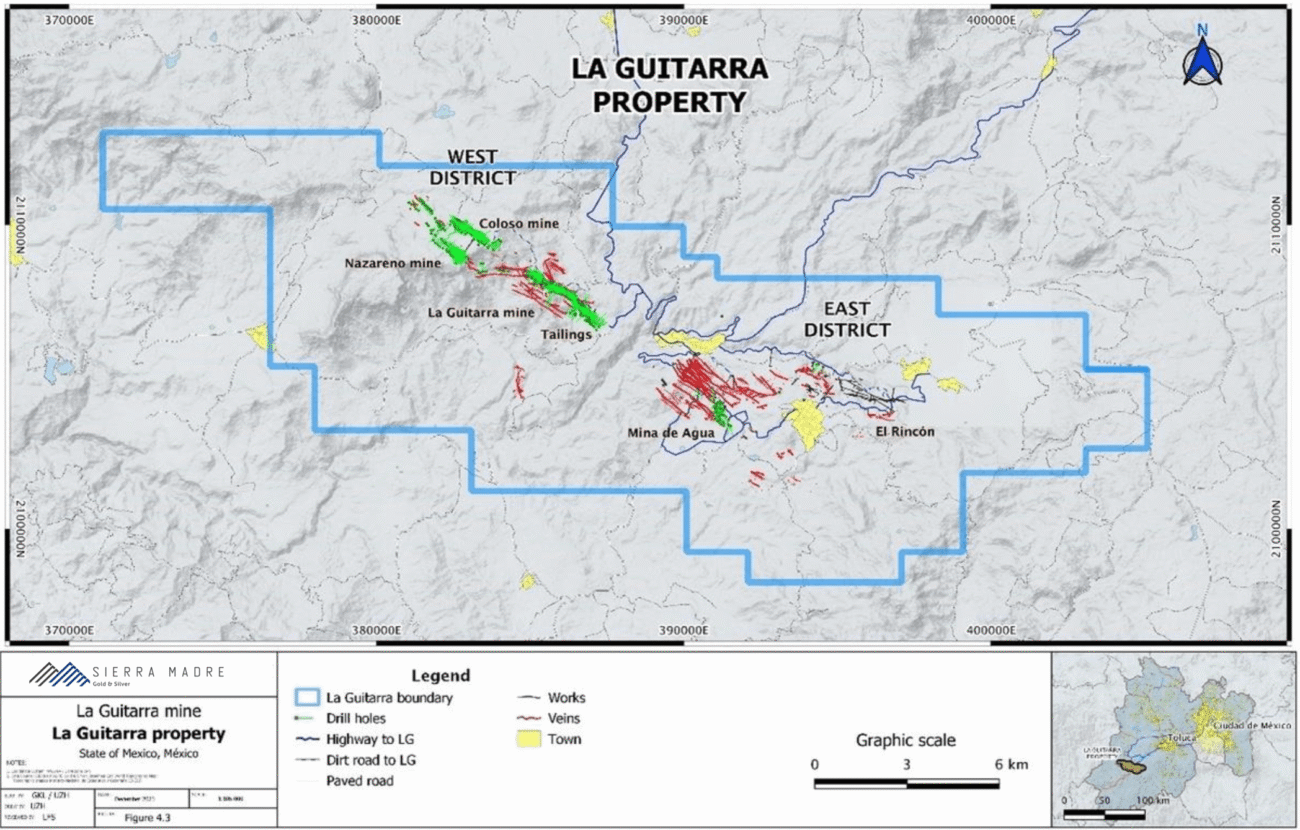
The past few years at La Guitarra were focusing on the proof of concept. And Sierra Madre has certainly proven it has the in-house knowhow to bring this past-producing mine back online. While the current production rate isn’t exactly spectacular, Sierra Madre has started to focus on expanding the production, capitalizing on the strong precious metals prices these days.
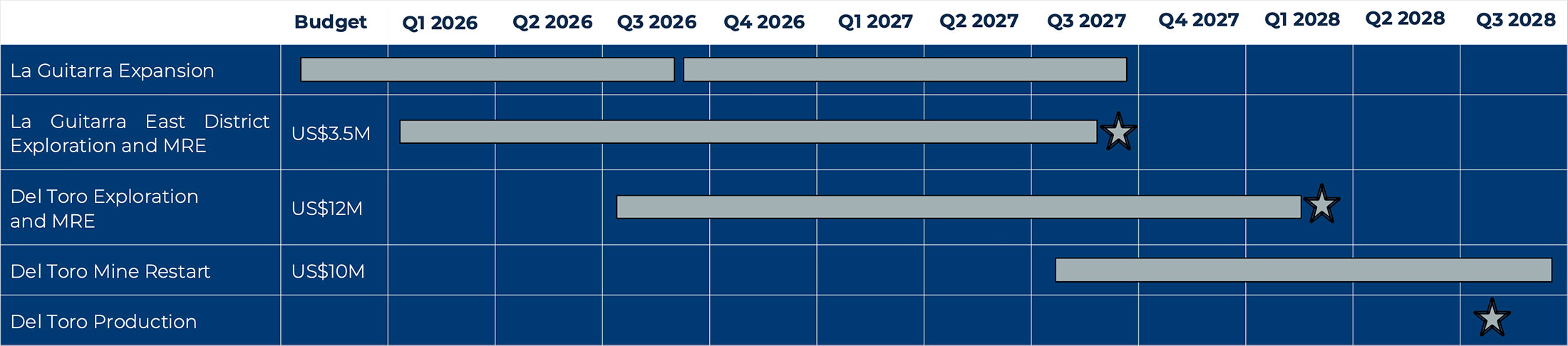
About a year ago, SM announced it wanted to increase the capacity to 750-800 tpd in 2026 (the timing has shifted from the end of Q2 to ‘the end of Q3’ which is no big deal), followed by another 50-100% capacity increase by the end of Q3 2027. No final decision has been taken yet for this Phase II expansion phase, but even reaching the lower end of the anticipated capacity increase at 1,200 tpd would almost be 3 times higher than the average processing rate of 450 tonnes per day recorded in the second quarter.
Not only will that really jumpstart the silver and gold production, it should also enable Sierra Madre to unlock economies of scale and efficiency benefits.
The initial focus is now of course on getting Phase I up and running at 750-800 tpd by the end of this quarter, and there are some good reasons for this small delay. First of all, Sierra Madre decided to select a contractor that guarantees the functionality of the mill and related equipment for six months. Having this guarantee and avoiding costly mill shutdowns during the ramp-up phase sounds like a good business decision to us, and we don’t mind the small additional delay. Additionally, the mill that is currently being installed is larger than initially anticipated (900 tonnes per day versus 600-700 tonnes per day), while the newly refurbished crusher also has a greater capacity than what’s needed for a 750-800 tpd operation. It does feel like the Phase I expansion is being completed with Phase II in mind, and incurring a small delay now while incorporating all these ‘extras’ that will benefit Sierra Madre in the next 12 to 18 months is a trade-off we can fully understand and support.
Sierra Madre will also kick off the construction of the permitted dry stack Tailings Storage Facility in the final quarter of this year to ensure the mine has plenty of capacity, even (and perhaps especially) after it increases the throughput again in its Phase II expansion.
An update on Del Toro
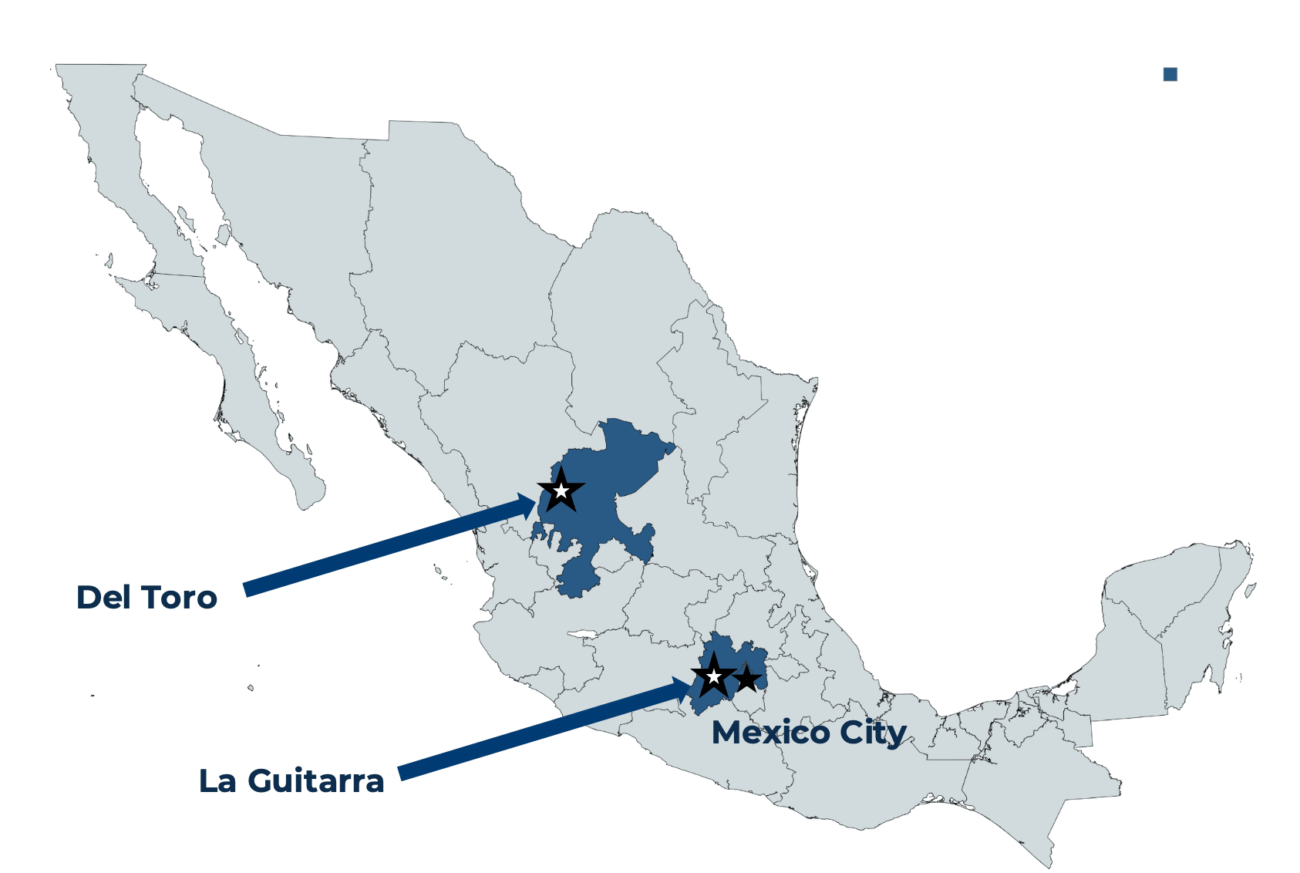
As a reminder, Sierra Madre acquired Del Toro in June of this year after a lengthy process to get all the signoffs from the relevant authorities, as the transaction was originally announced in December 2025.
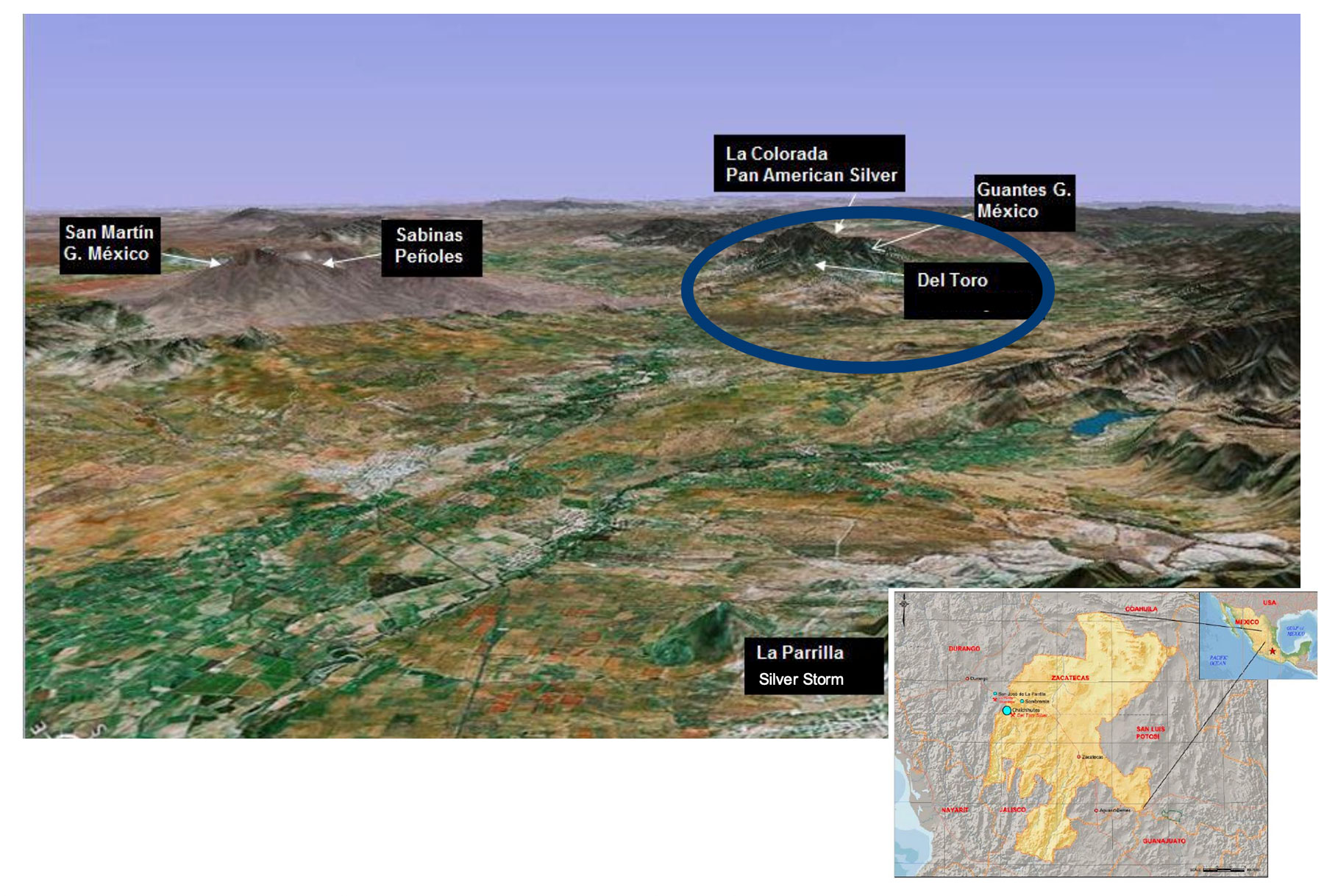
The Del Toro mine is a past-producing mine in the Chalchihuites district, which was discovered in the 1500s when the Spanish were ruling the area. The project was placed on care and maintenance by First Majestic in 2018 after posting production records of an average of 2.54 million ounces of silver-equivalent per year (of which 55% was silver with a small gold credit and a more substantial lead credit – note that the silver-equivalent calculation used 2015-2018 prices, and running the numbers at today’s metal prices would result in a lower silver-equivalent output).
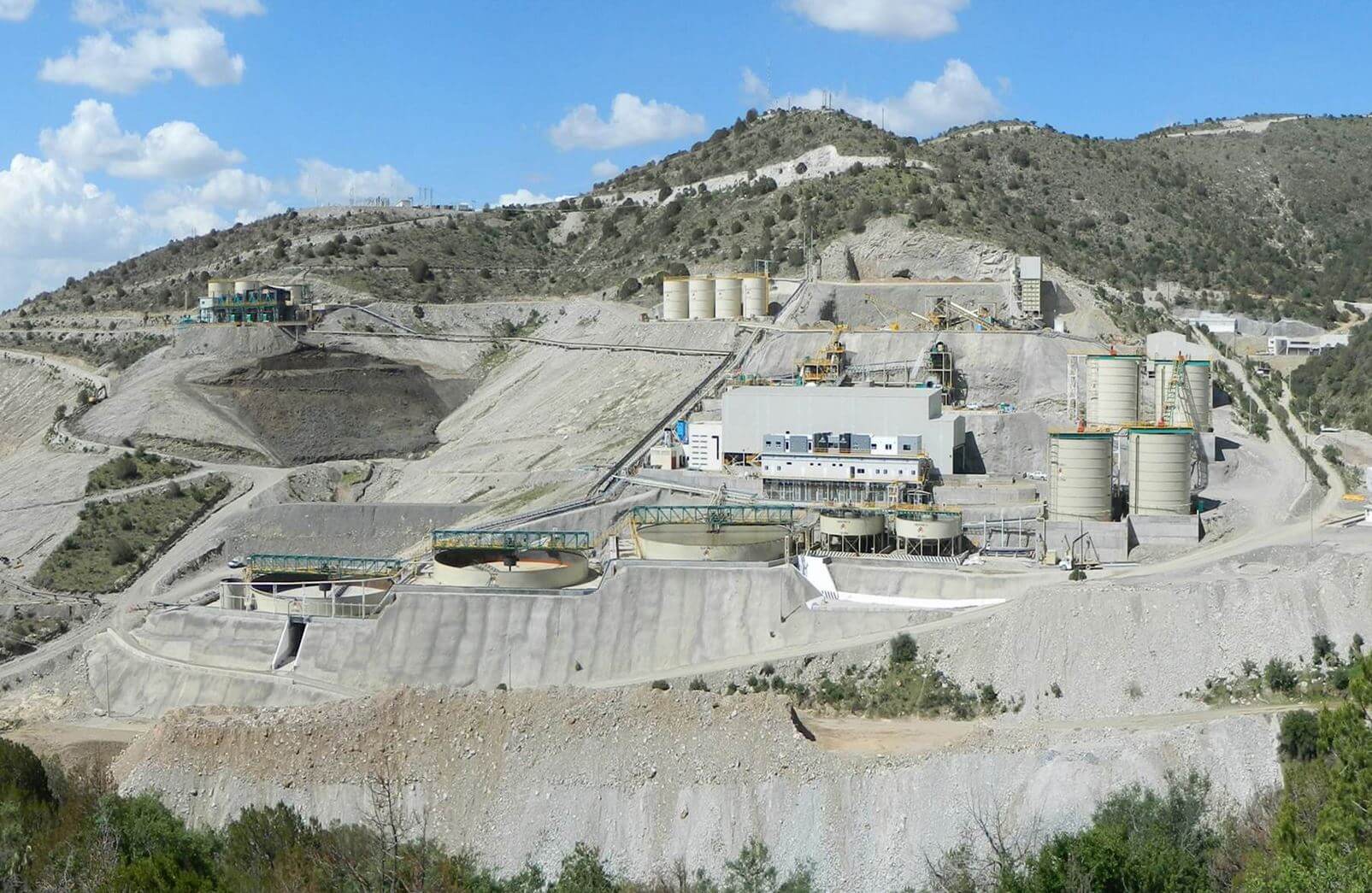
What really matters to Sierra Madre is the three developed underground silver mines that come with the acquisition. There also is a 2,000 tpd flotation circuit, a 1,200 tpd precious metals leaching circuit and a 2,300 tpd crushing and grinding cirtcuit. Even more important is that the acquisition comes with permitted tailings that provide a runway for in excess of 10 years at a throughput of 2,000 tonnes per day.
Rather than jumping in blind, Sierra Madre is taking a step back and plans to first work towards an updated resource estimate to tie everything together before going back into production at Del Toro (which of course is the ultimate goal). As such, we aren’t considering Del Toro to be an option for a very near-term production increase, but we are considering it as a very advanced stage exploration project that could rapidly be brought back into production when justified. We expect the company to follow the La Guitarra blueprint as that has proven to be quite successful.
Right now, Sierra Madre is taking all the necessary steps ahead of a planned drill program in 2027. A new geologic mapping and sampling program is underway (and it’s not a coincidence this also was the very first step Sierra Madre took at La Guitarra), and initial recon work has identified a horizon with several old workings on mantos. This triggered a re-evaluation of existing geophysical surveys on the property, and perhaps this will result in additional programs before drilling Del Toro (in 2027).


Conclusion
Sierra Madre is doing all the right things, and the next 18 months will be instrumental for the company to continue to execute. We anticipate the confirmation of the completion of the Phase I expansion within the next few weeks. This, in combination with higher grades of the mined material and higher recovery rates, should already have a meaningful impact on the production numbers in Q3 and Q4.
We are also looking forward to see initial results from the Del Toro exploration programs, as the project is being readied for a drill program in 2027.
With a working capital position of north of US$25M and a positive free cash flow, Sierra Madre is in an excellent position to further advance and improve La Guitarra while also pushing the past-producing Del Toro project forward.
Disclosure: The author has no position in Sierra Madre Gold & Silver. Sierra Madre currently is not a sponsor of the website, but has been one in the past. This post is for educational purposes only; be mindful investing in junior mining stocks is risky and you may lose your entire investment if things go wrong. Please read the disclaimer.